
Scaffolding Safety: 8 Ways to Reduce Accidents on Site
By SM Scaffolding ·
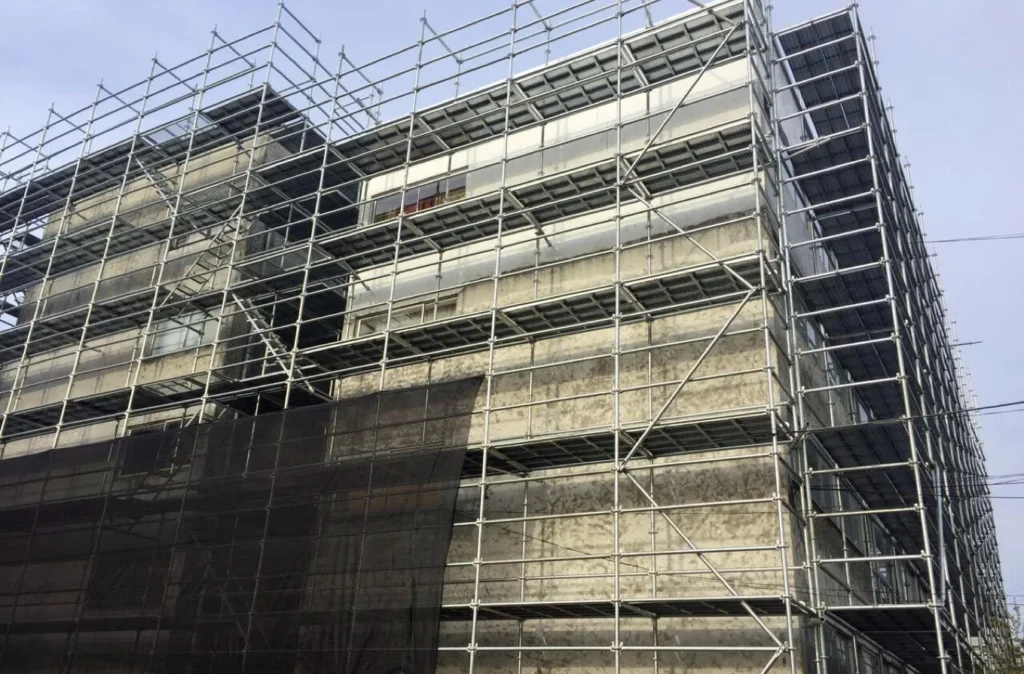
Scaffolding provides essential access and working platforms for building construction, façade renovation, industrial maintenance and infrastructure projects.
Although scaffolding systems are widely used, incorrect assembly, inadequate inspection, unsafe access and improper loading can expose workers to serious hazards.
Understanding and applying effective scaffolding safety measures is essential for reducing accidents and maintaining safer construction sites.
This guide outlines eight practical safety measures for contractors, site supervisors and construction professionals.
1. Plan the Scaffold Design and Loading Requirements
Scaffolding safety begins before the first component is installed.
The scaffold configuration must suit the intended application, working height, ground conditions and expected loads.
Important considerations include:
- Stable foundations and suitable base supports.
- Correct bracing, ties and structural connections.
- Appropriate working-platform dimensions.
- Expected loads from workers, tools and materials.
- Site-specific environmental conditions.
Scaffold design and assembly must follow applicable regulations, approved designs and manufacturer instructions.
Modular systems such as Ringlock scaffolding offer different configurations, but their suitability and load capacity depend on the actual arrangement and its verified specifications.
2. Provide Appropriate Fall Protection
Falls from elevated working platforms are a major scaffolding hazard.
Depending on the scaffold type, working height and applicable regulations, protection may include guardrails, personal fall-arrest systems or other approved measures.
A proper fall-protection assessment should address:
- Exposed platform edges.
- Openings and access points.
- Guardrail installation.
- Safe anchorage arrangements where personal fall protection is required.
- Protection during scaffold erection and dismantling.
For example, US OSHA generally requires fall protection for workers on scaffolds more than 10 feet (3.1 metres) above a lower level, subject to scaffold-specific provisions.
Other countries and jurisdictions may establish different requirements.
Always follow the rules applicable to the construction site.
3. Ensure Safe Access to Working Platforms
Workers must have a safe means of reaching and leaving scaffold platforms.
Depending on the configuration, appropriate access may include ladders, integrated ladder frames, scaffold stair towers or designated access structures.
Scaffold cross braces must not be used as climbing access.
Access routes should remain unobstructed, properly secured and suitable for the intended use.
For projects using Frame scaffolding, the access arrangement should be reviewed alongside the selected frame system and platform configuration.
4. Inspect Scaffolding Regularly
Scaffolding structures and components can be affected by repeated use, accidental impacts, environmental conditions and modifications during construction.
Inspections should identify issues such as:
- Damaged or deformed standards and ledgers.
- Loose or improperly engaged connections.
- Defective working platforms.
- Missing bracing or ties.
- Unstable foundations.
- Excessive corrosion or other visible deterioration.
In the United States, OSHA requires inspection by a competent person before each work shift and after occurrences that could affect structural integrity.
UK HSE guidance requires inspection before first use, at intervals of no more than seven days and after relevant events that may compromise safety.
Inspection procedures must meet the requirements of the project location.
Damaged or unsuitable components should be removed from service until properly assessed and addressed.
5. Protect Workers From Falling Objects
Tools, construction materials and loose components can fall from elevated scaffolding platforms.
This creates hazards for workers and other personnel below.
Depending on the site assessment and applicable requirements, protective measures may include:
- Suitable toe boards.
- Guardrail systems and screening.
- Secured tools and materials.
- Debris nets or protective canopies.
- Barricaded exclusion zones beneath working areas.
Working platforms should also be kept free from unnecessary debris and improperly stored materials.
These precautions help reduce the risk of falling-object accidents.
6. Maintain Safe Distances From Electrical Hazards
Scaffolding is frequently installed near buildings, industrial equipment and electrical infrastructure.
Contact between metal scaffolding components and energized power lines can result in serious or fatal accidents.
Before erection, identify nearby electrical hazards and determine the required clearance.
Safe distances depend on the voltage, insulation, local regulations and site conditions.
Do not assume that one minimum distance applies to every situation.
Electrical hazards should be assessed before work begins, with the appropriate utility operator involved where necessary.
7. Train Workers and Supervise Scaffold Modifications
Safe scaffolding requires competent personnel who understand the system being used.
Training should cover:
- Recognition of scaffold hazards.
- Safe access and fall protection.
- Correct use of working platforms.
- Applicable load limitations.
- Component inspection.
- Reporting damaged or unsafe equipment.
Scaffolding erection, alteration and dismantling must be performed under the supervision required by applicable regulations.
Workers should not remove braces, ties or other structural components without the appropriate authorization and assessment.
8. Monitor Loads, Weather and Changing Site Conditions
A scaffold that was initially suitable may become unsafe if conditions change.
Examples include excessive material storage, unauthorized modifications, severe weather, vehicle impacts or movement of supporting ground.
Preventive measures include:
- Keeping loads within the permitted limits.
- Preventing excessive accumulation of materials.
- Inspecting scaffolds after potentially damaging events.
- Assessing high winds and adverse weather.
- Checking structural stability after site modifications.
A scaffold should not remain in use when conditions indicate that its safety may have been compromised.
Why Scaffolding Component Quality Matters
Safe scaffold operation depends on appropriate design, assembly, inspection and working practices.
The quality and suitability of individual components are also important.
When purchasing scaffolding systems, buyers should review relevant product specifications, materials, dimensions, connection details and available testing documentation.
At SM Scaffolding, we manufacture scaffolding and formwork systems in Guangzhou, China.
Our product range includes Ringlock scaffolding, Frame scaffolding, steel props and related components.
You can explore our product range and available documentation to identify components suitable for further technical review.
Product specifications and historical test reports should always be interpreted according to their actual scope, tested samples and dates.
Looking for a Scaffolding Manufacturer?
SM Scaffolding manufactures scaffolding and formwork systems for international construction markets.
If you are sourcing scaffolding equipment for your next project, send us your required system, component specifications, quantities and delivery destination.
Minimum order: one full 20-foot container.
Contact SM Scaffolding to request a quotation.
Technical References
- OSHA — General Requirements for Scaffolds (29 CFR 1926.451)
- UK Health and Safety Executive — Scaffolding Safety Guidance
Safety notice: This article provides general information. It does not replace project-specific engineering, manufacturer instructions, competent supervision, scaffold inspection or applicable local regulations.